

double pane insulated glass replacement
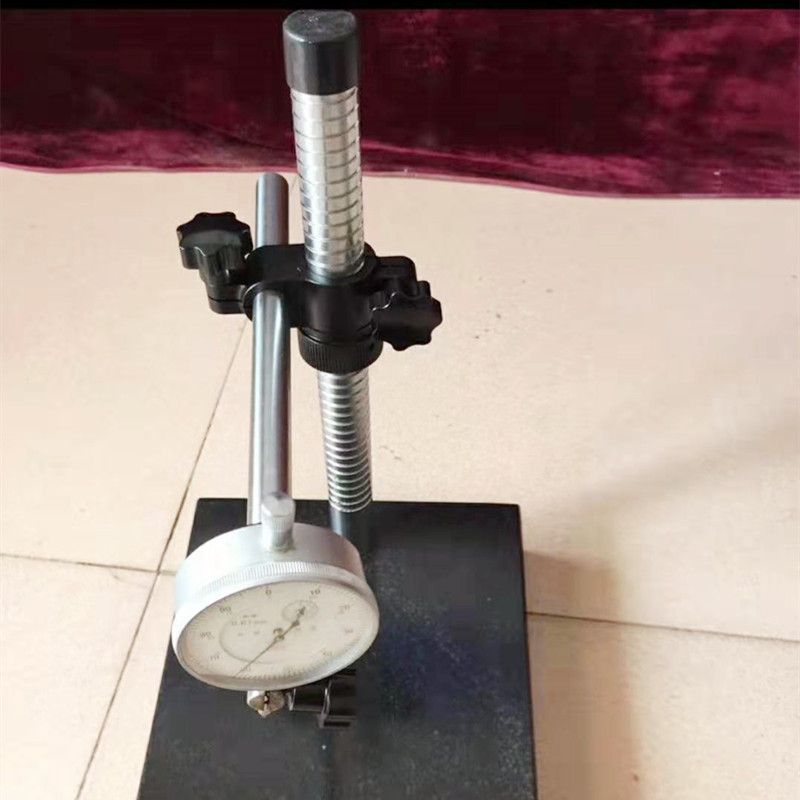
Accurate measurements are crucial in metalworking and engineering. From simple rulers to high-precision digital tools, the market offers a variety of measuring tools for sale that suit different industrial applications. These tools help ensure that materials are cut, shaped, and assembled with accuracy, contributing to the overall quality and functionality of a product. Selecting the right measuring tool depends on the required precision, the type of material being worked on, and the scale of the project. Common measuring tools include: Calipers : Ideal for precise internal and external measurements. Micrometers : Offer even finer accuracy for small-scale measurements. Tape Measures : Often used for larger, less precise measurements in initial stages. Digital gauges : Provide high accuracy and can be connected to software for data recording. Available Types: Manual calipers, micrometers, and digital versions. Digital and analog gauges. Laser and optical measurement tools for high-precision tasks. Engineering Measuring Tools for Precision Projects In the field of engineering, precision is paramount. Engineering measuring tools are designed to ensure that projects meet strict design tolerances. These tools are used for everything from assessing material dimensions to verifying alignment and ensuring the accuracy of mechanical components. Some key engineering measuring tools include: Vernier Calipers : Provide highly accurate measurements of internal, external, and depth dimensions, often used in mechanical engineering. Dial Indicators : Used to measure small distances or variations, often in alignment and deflection testing. Laser Measuring Tools : Offer highly accurate distance measurement for both large and small projects. Height Gauges : Used for vertical measurement and marking of workpieces, essential in precision engineering. For engineers, accuracy is the most critical factor when choosing tools. Many of these instruments come with calibration features or are sold with certified accuracy levels to ensure they meet industry standards. Common Tools: Vernier and digital calipers. Dial indicators and height gauges. Precision laser and optical measurement tools. Applications of Gauge Measurement Tools Gauge measurement tools are commonly used in both metalworking and engineering fields to measure various dimensions such as thickness, depth, height, and pressure. These gauges come in several types, each designed for specific applications. Examples of gauge measurement tools include: Feeler Gauges : Used to measure gap widths and clearance between parts, commonly applied in automotive repair and maintenance. Dial Gauges : Measure small linear distances with precision, typically used for alignment checks and precision machining. Thread Gauges : Determine the size, pitch, and diameter of screws and bolts. Pressure Gauges : Monitor fluid pressure in systems like HVAC or hydraulics. Each gauge serves a specific function, ensuring that critical measurements are within acceptable tolerances and that machinery, products, or components work correctly. Common Gauge Types: Feeler gauges for measuring gaps. Dial indicators for linear displacement. Pressure gauges for monitoring system pressures. Importance of Level Measurement Tools in Construction and Metalwork Level measurement tools are essential for ensuring horizontal or vertical alignment in construction, engineering, and metalworking. These tools help verify that surfaces, structures, or components are level and aligned correctly, which is vital for safety and performance. Some of the commonly used level measurement tools include: Spirit Levels : These traditional levels use a liquid-filled vial with an air bubble to determine if a surface is level or plumb. Laser Levels : Provide precise horizontal and vertical alignment using a laser beam, commonly used in construction, engineering, and carpentry. Inclinometers : Measure the angle of tilt or slope, often used in civil engineering and surveying. Digital Levels : Offer high precision and are equipped with digital displays for ease of use, especially in metalworking and construction. These tools ensure the correct positioning of machinery, workpieces, or structures, leading to improved accuracy and safety during construction or assembly. Popular Tools: Spirit levels for general use. Laser levels for large-scale projects. Digital inclinometers for precise angle measurement. Measuring Tools in Metal Work : Ensuring Accuracy and Quality Measuring tools in metal work are essential for maintaining the tight tolerances required in machining, fabrication, and manufacturing processes. Accurate measurements ensure that parts fit together as designed, maintain structural integrity, and function as intended in mechanical systems. In metalworking, precise measurements are required at every stage, from cutting raw materials to final assembly. Some key tools include: Micrometers : Provide precise measurements of small distances or thicknesses, often used in machine shops. Combination Squares : Used for measuring angles and marking straight edges during metal fabrication. Protractors : Ensure accurate angle measurements and cuts, particularly in sheet metal work. Depth Gauges : Used to measure the depth of holes or slots in metal workpieces. These tools allow metalworkers to achieve the precise cuts, shapes, and dimensions necessary for high-quality metal components. Digital versions of these tools are becoming increasingly popular for their ease of use and enhanced precision. Commonly Used Tools: Micrometers for precision measurement. Protractors for angle measurement. Combination squares for marking and measuring edges. Whether you're an engineer, metalworker, or involved in construction, having the right measuring tools is essential for accuracy, precision, and quality in your projects. From gauge measurement tools for intricate measurements to level measurement tools ensuring proper alignment, the market offers a wide variety of engineering measuring tools that cater to diverse applications. Explore the range of measuring tools for sale today to elevate your projects with professional-level precision.
about
double pane insulated glass replacement
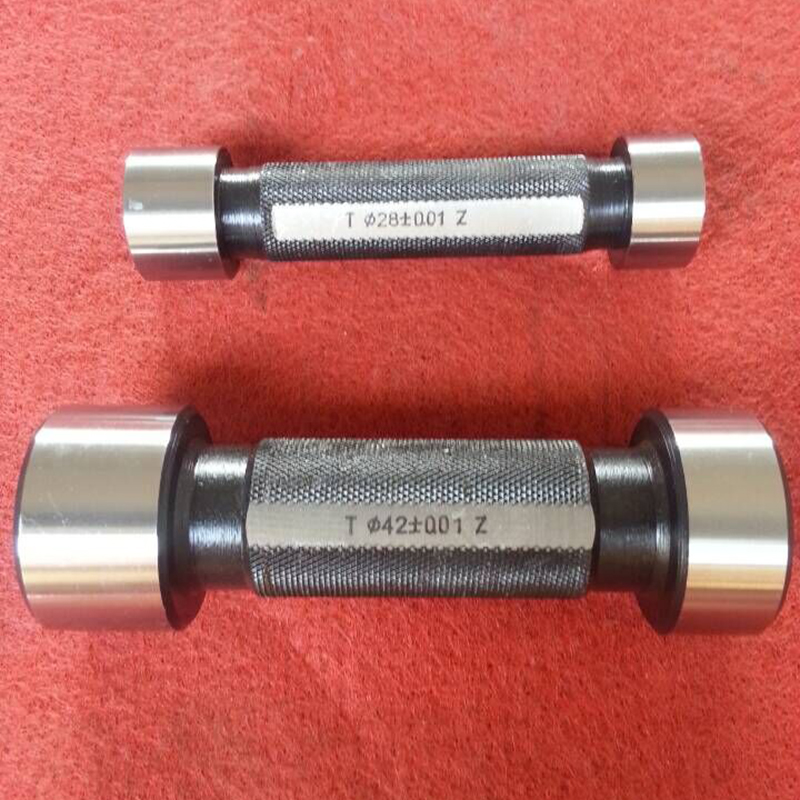
Understanding the Small Bore Gauge Set A Vital Tool for Precision Measurement In the world of precision engineering and manufacturing, the small bore gauge set stands out as an essential tool for achieving high levels of accuracy in measurement. These specialized gauges are designed to measure the internal diameters of small holes and tubes, where traditional measuring instruments often fall short. In this article, we will explore the significance of small bore gauge sets, their applications, and how they contribute to quality control in various industries. What is a Small Bore Gauge Set? A small bore gauge set typically consists of a series of precision measuring tools, which may include gauges of various sizes, extensions, and sometimes interchangeable heads. These instruments are specifically engineered to measure bore diameters that can range from a few millimeters to several centimeters. The design often features a tapered probe that can glide smoothly inside a bore, allowing the gauge to take measurements accurately, even in tight or deep spaces. One of the most common types of small bore gauges is the internal micrometer, which uses a calibrated screw mechanism to provide precise readings. Another popular item in these sets is the go/no-go gauge, which allows users to quickly determine whether a bore meets specified tolerances. Together, these tools help ensure that components fit perfectly and function as intended. Applications of Small Bore Gauge Sets Small bore gauge sets are used across a multitude of industries. They are particularly prevalent in fields such as automotive, aerospace, and manufacturing. For example, in the automotive industry, these gauges are crucial for measuring engine components, such as cylinders and fuel injectors, where even a minor deviation can result in significant performance issues. In the aerospace sector, small bore gauges are employed to ensure the integrity of components that are subjected to extreme conditions. Here, precision is not just a luxury; it is a necessity . Any fault in measurement can lead to failures that compromise safety and performance. Therefore, using small bore gauge sets becomes indispensable for maintaining stringent quality control measures. Moreover, in medical device manufacturing, small bore gauges play a critical role in ensuring that tubes and fittings used in healthcare applications meet precise specifications. This level of accuracy is crucial to prevent malfunctions that could have dire consequences for patient health. small bore gauge set Importance in Quality Control In any production environment, maintaining quality standards is essential. A small bore gauge set facilitates this by providing reliable measurements that help manufacturers adhere to engineering specifications. By measuring internal diameters accurately, manufacturers can identify defects and variances in components early in the manufacturing process. This proactive approach not only minimizes waste but also enhances overall productivity. When parts fit together as designed, the assembly process becomes streamlined, and the likelihood of requiring adjustments or rework decreases. Consequently, this not only improves the bottom line but also reinforces a commitment to quality that customers increasingly demand. Features of Quality Small Bore Gauge Sets When selecting a small bore gauge set, it’s essential to consider several key features that can affect performance and reliability. These include 1. Precision and Accuracy Look for gauges that offer high-resolution readings to ensure minimal error margins. 2. Material Quality Durable materials such as hardened steel or stainless steel should be used for longevity and to maintain calibration over time. 3. Ease of Use User-friendly designs with clear scales or digital readouts can streamline the measurement process. 4. Calibration Regular calibration is crucial. Go for manufacturers that provide calibration services and certificates to guarantee adherence to standards. Conclusion The small bore gauge set is a fundamental tool in the realm of precision measurement. Its role in ensuring quality, performance, and safety across various industries cannot be overstated. Investing in a high-quality small bore gauge set not only pays dividends in terms of product quality but also enhances operational efficiency. For engineers and manufacturers committed to excellence, these gauges represent a small but mighty tool in their quality control arsenal. With accurate measurements, businesses can build trust with their customers and ensure that their products stand the test of time.
-

High quality industrial productsagement

High quality industrial products
View Details -

Meet the diverse needs of customers

Meet the diverse needs of customers
View Details -

Strict quality control

Strict quality control
View Details -

Top raw materials

Top raw materials
View Details -

Trusted supplier

Trusted supplier
View Details
Our application



news and information
water valve
Understanding Water Valves A Key Component in Fluid Control Systems Water valves are crucial compone
v Hướng dẫn
Hướng Dẫn Về Rào Chắn V Trong cuộc sống hiện đại, việc bảo đảm an toàn giao thông là một trong những
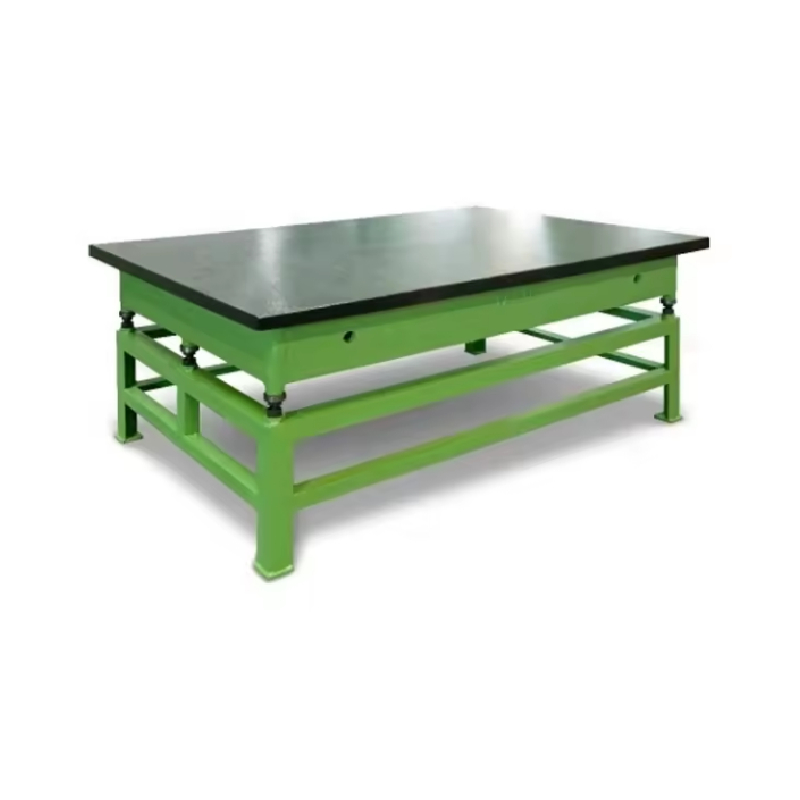
Welding Table Cast Iron Surface Finish Guide
As a wholesaler in the welding equipment industry, understanding the intricacies of welding table ca
 English